

History as a compass. How Apsys restores identity and energy to places
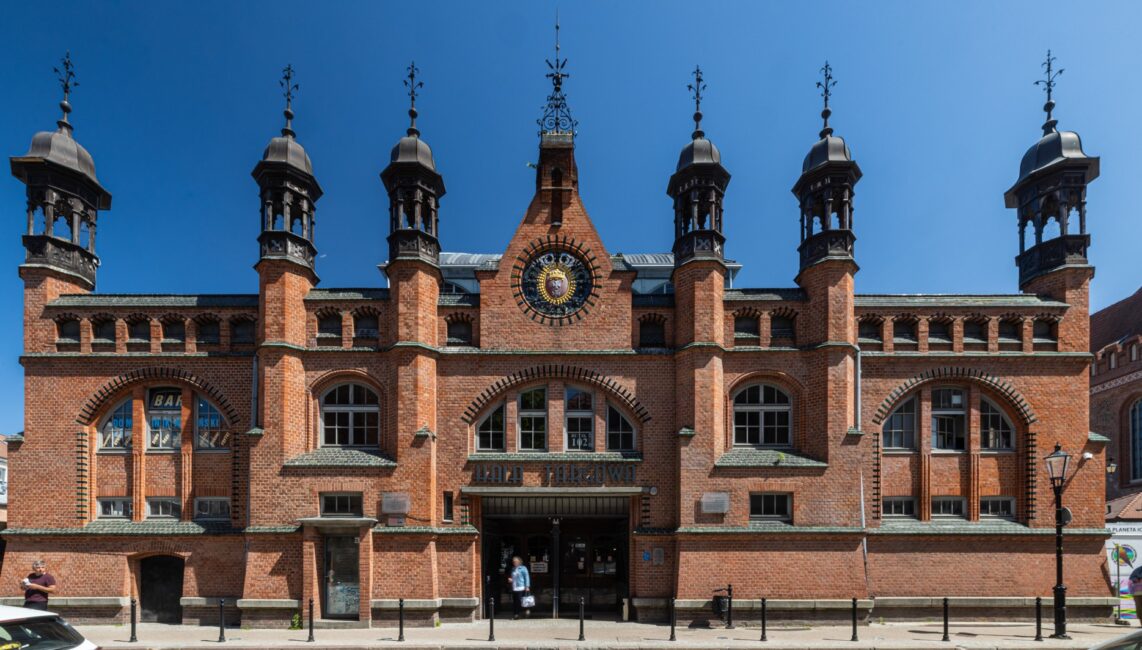
For three decades, Apsys has specialised in projects in which investment ambitions – the desire to create places of lasting value – go hand in hand with humility towards the surroundings, the history of a place and its social role. Such investments require not only knowledge and experience, but also commitment and the conviction that urban development begins with understanding the identity of a place. This approach is reflected in the projects currently being carried out – the multi-dimensional revitalisation of Hala Targowa in Gdańsk and the residential development Nowa Stawowa in Wrocław.
Every revitalisation process undertaken by Apsys begins with asking the following questions: what was here before, what did this place once mean to people and to the city, what does it mean today, and what role should it play in the future? Obtaining the answers requires in-depth analyses and research, cooperation with experts and dialogue with local partners. This approach stems from the belief that responsible revitalisation is not only an investment process, but also a long-term commitment to the city and its people.
Rooted in the past
Historical research is an integral part of the revitalisation process. Its purpose is to reconstruct the facts reliably and to understand the mechanisms that have shaped a given place over the years. This research makes it possible to uncover the various meanings of a place related to its architecture, function, social role and the everyday practices of its users. Often, this is knowledge previously unknown even to historians themselves. It is precisely this knowledge that becomes the starting point for further design decisions. Historical knowledge organises the process and gives it direction: it helps determine which elements of a place’s identity are worth preserving, which can be developed and which require a new interpretation in response to the contemporary needs of cities and communities.
Dialogue carried out in parallel with public institutions, city representatives, experts and other stakeholders is also of key importance. Thanks to this, the project is created not only on the basis of source materials, but also with regard to the current social and functional context. The knowledge built in this way is then translated into specific architectural solutions, the functions of the building and the way the space is used.
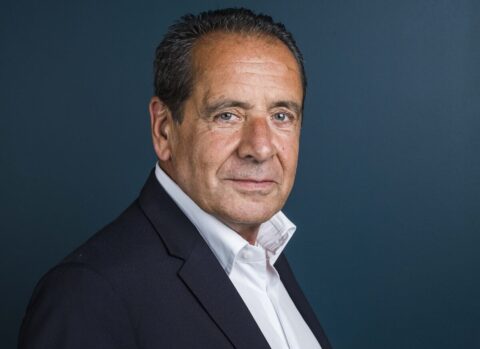
Webegin work on each new project by defining its identity. It is created as a result of research and meticulous analyses, discussions and cooperation between many people both within and outside the organisation, as well as conscious design decisions. We believe that this path, although longer, makes it possible to create places that live on for years, says Agnieszka Tomczak Tuzińska, Marketing Director at Apsys Polska.
Building the present
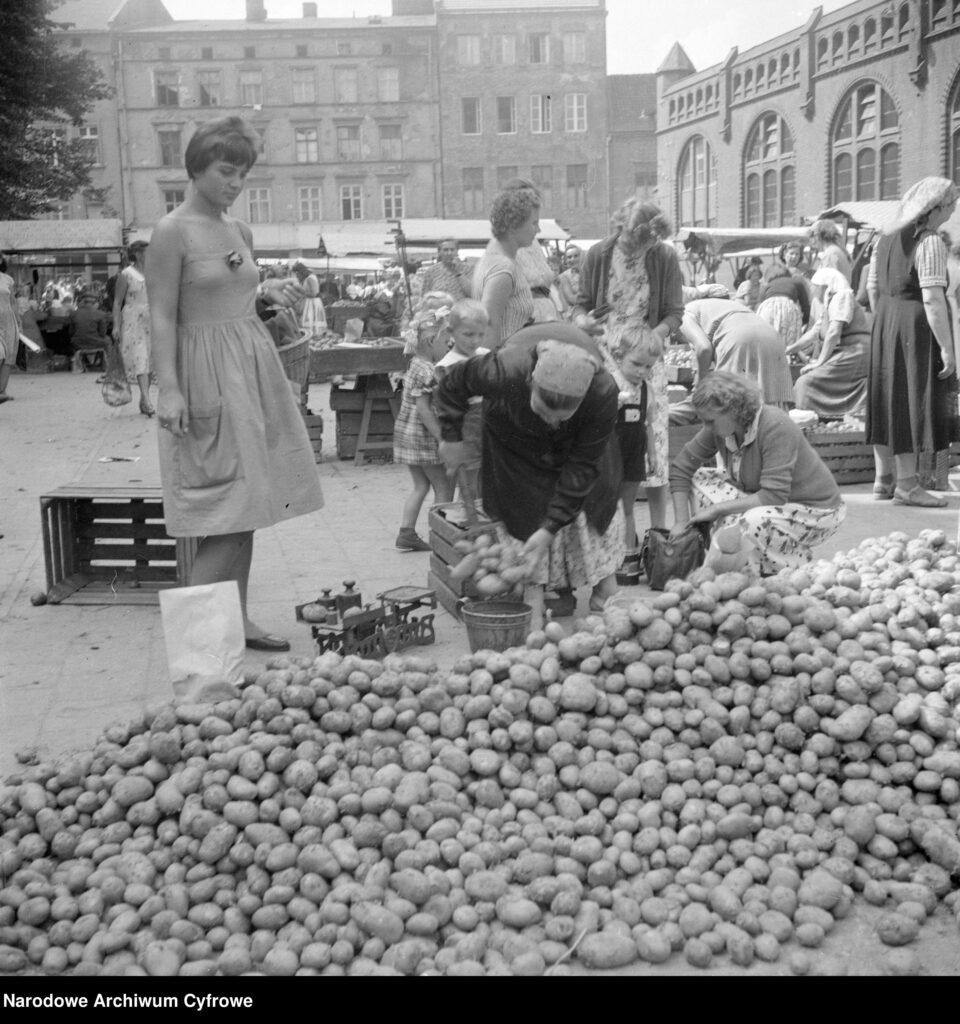
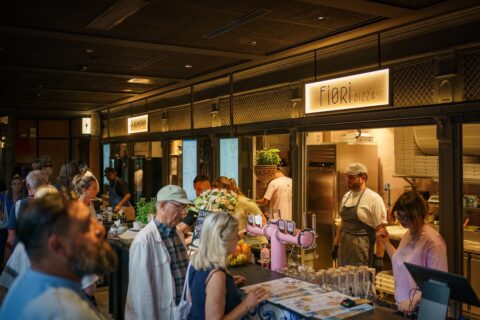
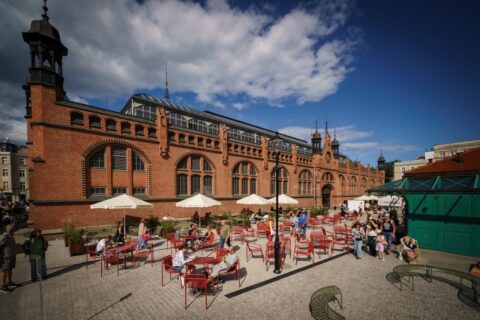
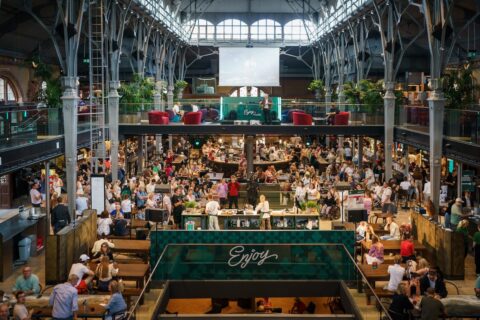
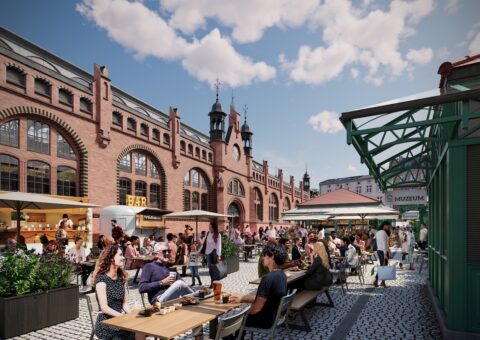
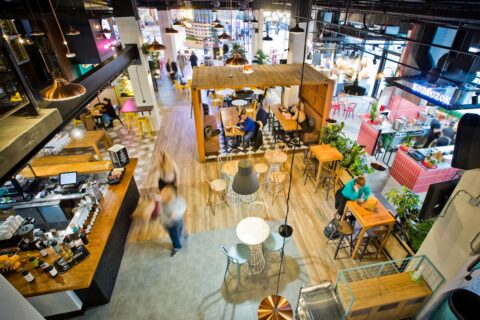
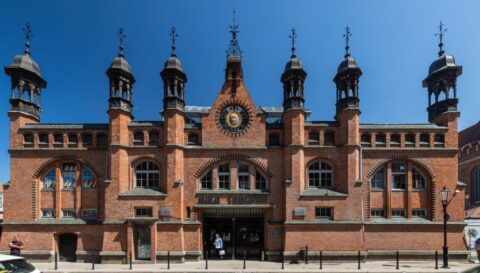
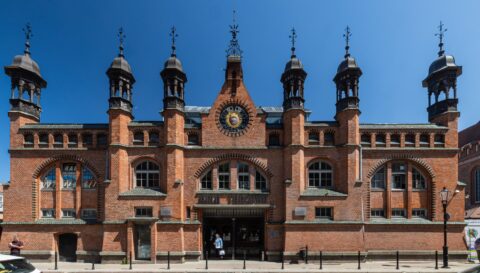
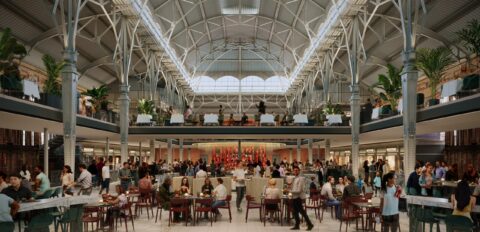
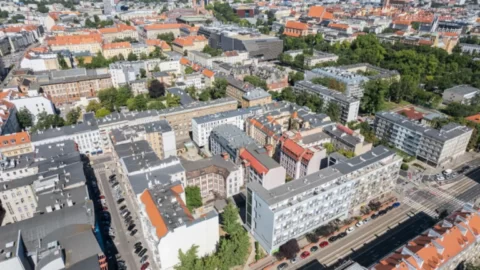
An example of a project in which responsibility for heritage is combined with thinking about the future role of a place within the structure of the city is the revitalisation of Hala Targowa. This is not only a historic building, but also a space located in one of the most important points of Gdańsk. For Apsys, carrying out this investment means responsibility that goes beyond the standard development process – it is a mission to bring back to life a fragment of the urban fabric of historical and social significance. Specialist historical research for Hala Targowa was prepared by Dr Magdalena Staręga from the University of Gdańsk. The research carried out made it possible not only to organise the history of the building itself, but also to understand its broader context – as a space of trade, everyday meetings and urban activity. Already at the time of its opening in 1896, Hala was a very modern facility for its time, and not only in architectural terms. It operated according to rules and solutions that are now very well known and successfully applied in the retail market. Stalls in Hala Targowa were grouped according to product categories (clustering). In addition to permanent stalls, there were also islands with changing assortments – equivalents of today’s pop-ups. Revenue in Hala was generated not only from renting retail units, but also from fees for using the freight lift, public scales, basement storage space and staff rooms. What is more, Hala was never only a place of trade and transactions. Already in the 19th century, it had a “mushroom advisory point”, where people could go if they had doubts about the edibility of gathered mushrooms, as well as a first aid point. Sporting events were also organised there, such as boxing matches. One of the first venues opened 130 years ago was a restaurant – a place for meetings, conversations and rest. Engagement in the life of the city and its residents was natural at Hala Targowa from the very beginning. This knowledge became the foundation for Apsys’s design decisions, as the company continues the natural heritage of the place: trade, gastronomy, meetings and engagement in the everyday life of Gdańsk.
From the very beginning, the revitalisation process has been carried out in close cooperation with public institutions and under conservation supervision, which ensures consistency between investment ambition and the protection of historical heritage. Apsys’s goal is not simply to renovate the building, but to restore the role it once played in the life of the city.
Understanding the place
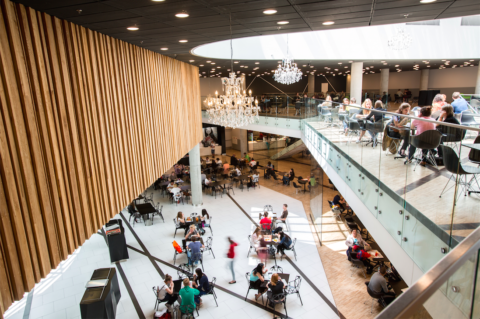
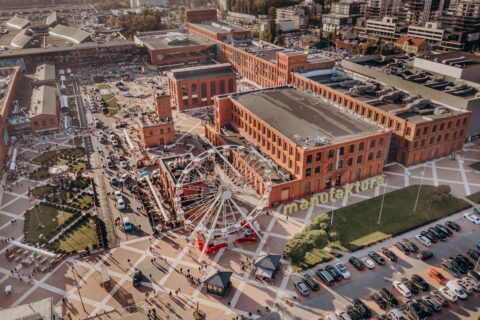
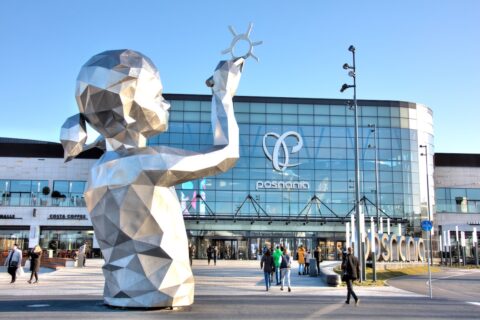
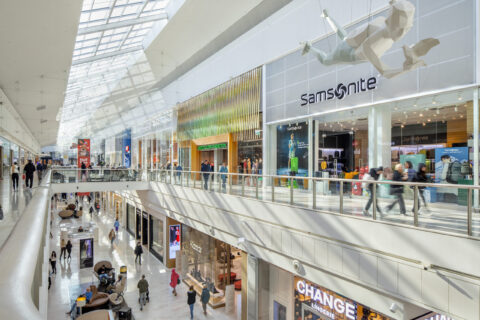
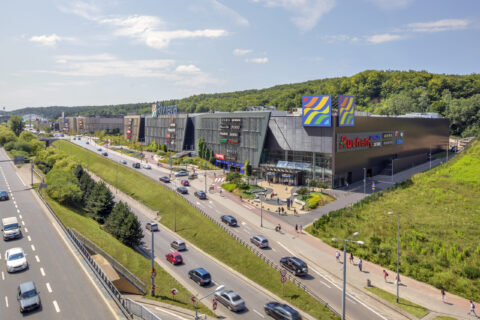
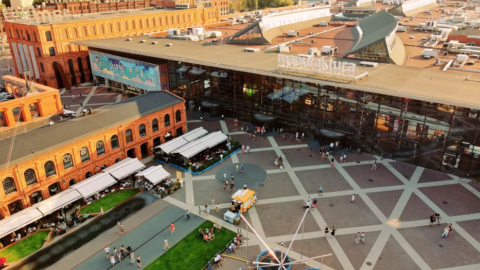
This approach to revitalisation is not limited only to large projects such as Hala Targowa or Manufaktura – the flagship Apsys investment that already two decades ago showed that revitalisation carried out with respect for history can make a place a catalyst for reviving a city. At the same time, it does not exclude care and attention to the identity of a place, as exemplified by the Factory Museum presenting the history of Izrael Poznański’s factory-residential complex.
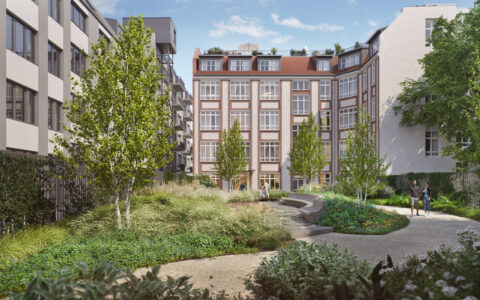
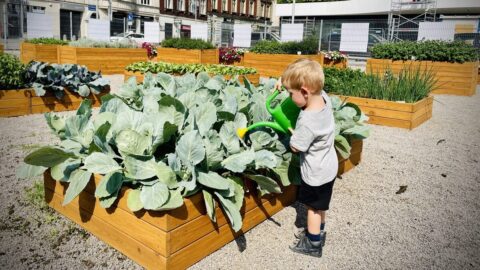
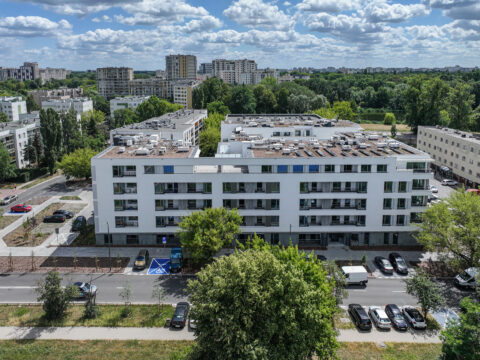
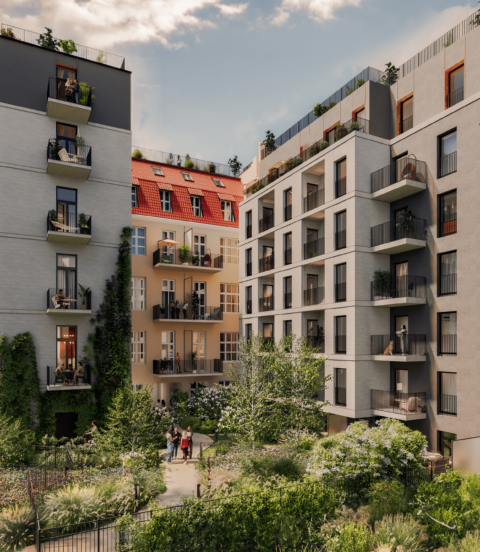
In the case of the Wrocław residential development Nowa Stawowa, the starting point was also an in-depth analysis of the history and character of the place. Historical research revealed layers that give this location its unique character. Before dense urban development appeared here in the 19th century, the area belonged to the recreational and horticultural outskirts of Wrocław – full of orchards, gardens and ponds. Over the following decades, the quarter between Stawowa, Kościuszki, Kołłątaja and Rejtana streets served a variety of functions, including a furniture factory, a biscuit factory, a wholesaler of paper and office supplies, craft workshops and tenement houses inhabited by representatives of many professions and communities. This multi-layered character became an inspiration both for the architectural concept by Łapacz Winkowski Architekci and for the design of the common areas by Boris Kudlicki. Nowa Stawowa and the neighbouring Ogrody Staromiejskie restore the location’s original green character: together they include more than 1,300 sqm of carefully designed greenery in the form of pocket gardens, green courtyards and places to relax. The diversity of the place will also be reflected in the apartment structure – from intimate units to the most spacious, duplex apartments. Apsys is creating a place to live for people with different needs and lifestyles, just as for decades this quarter brought together various communities and witnessed many different human stories.
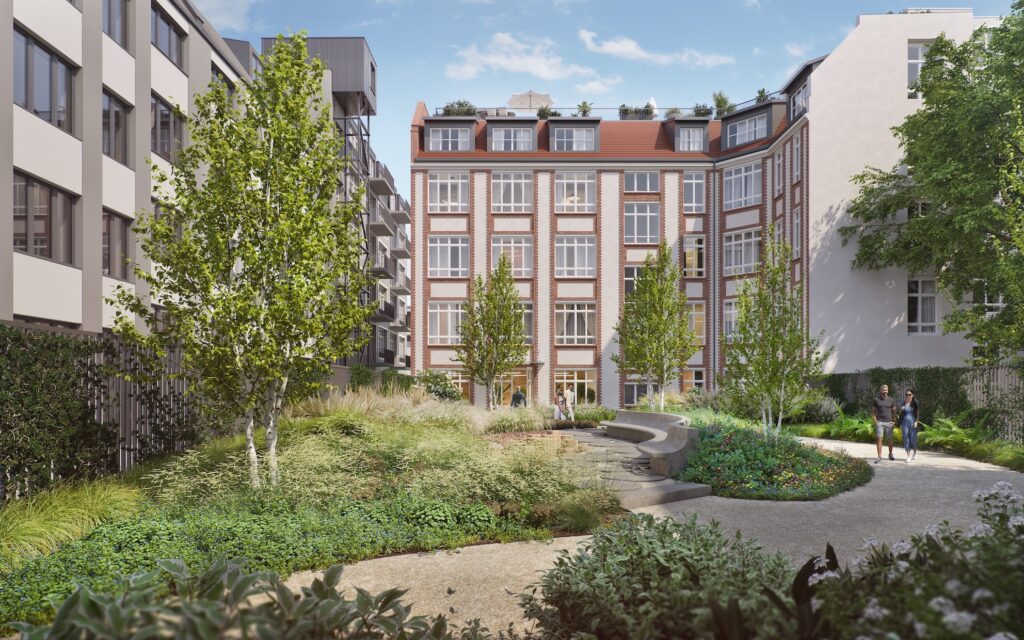
Although the scale of the projects differs, the philosophy remains the same: first to thoroughly understand and get to know the place, and then to create it anew with respect for its history.
The Apsys approach, based on historical research, social dialogue and responsible design, translates into measurable benefits for all participants in the process. Cities gain projects rooted in the local context – spaces with character that strengthen the existing urban fabric. For public institutions, this means cooperation with an entity that bases its decisions on facts, analyses and a transparent process. A coherent vision, built around the identity of a place and its future role in the structure of the city, significantly facilitates making decisions that will have a real impact on the quality of urban life in the years to come. In turn, tenants and business partners receive more than just attractive commercial space. The history of a place becomes a concrete tool for building competitive advantage. In a world where new projects are created at a rapid pace, an authentic story about a property becomes a real advantage: something that cannot be copied or transferred elsewhere. The beneficiaries also include users, both of commercial and residential spaces. They are the ones who experience on a daily basis spaces with real character – places where contemporary functionality and energy are combined with historical memory.
Over 30 years of activity, Apsys has consistently carried out projects based on the same philosophy: ambitiously, responsibly, with respect for history and the local context. The identity of a place, cooperation with experts and conversations with local partners shape every Apsys project and build the foundation of its long-term value.