

MARKET MATURITY DOES NOT MEAN THE END OF OPPORTUNITY
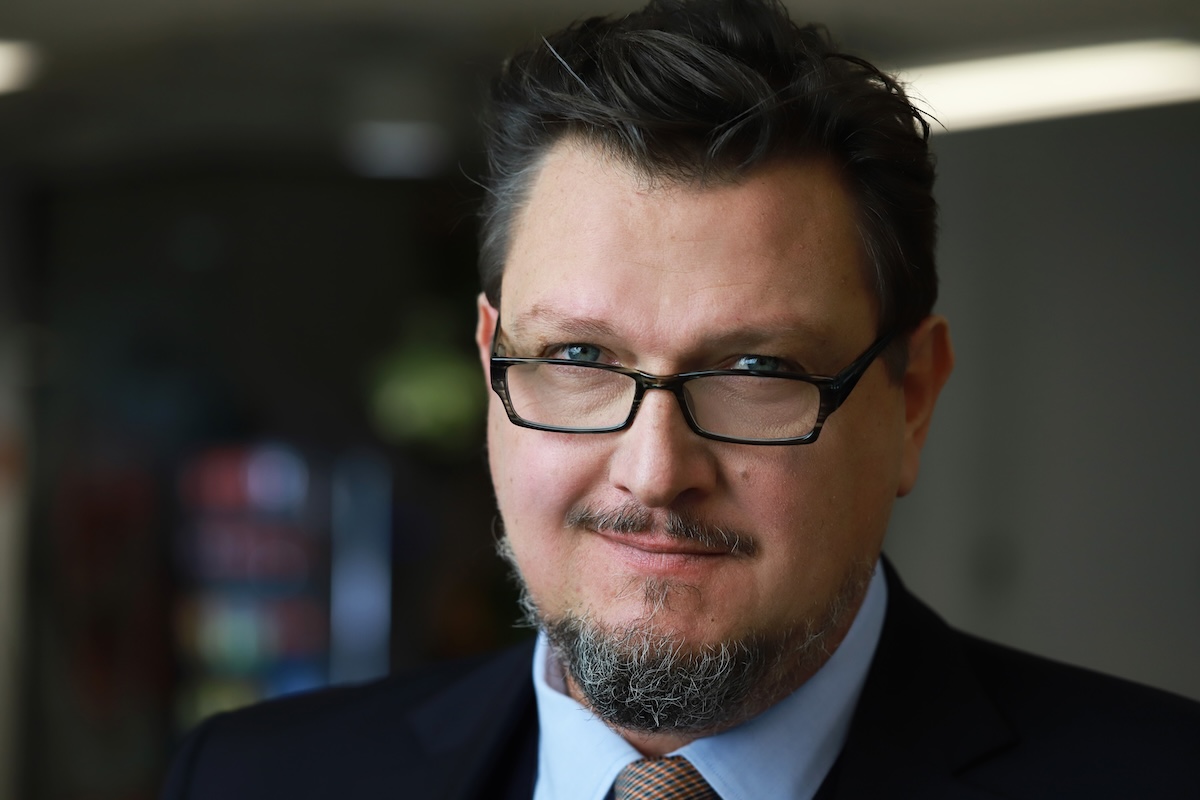
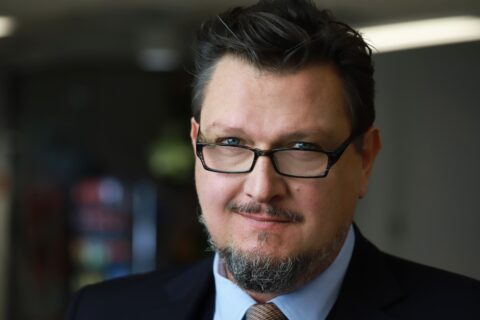
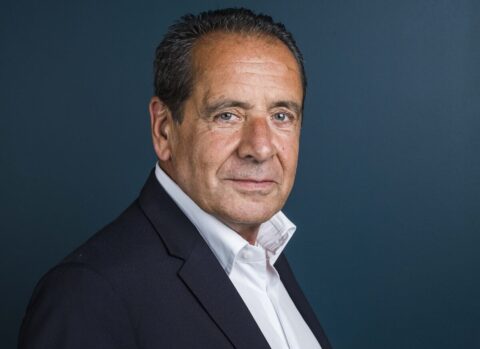
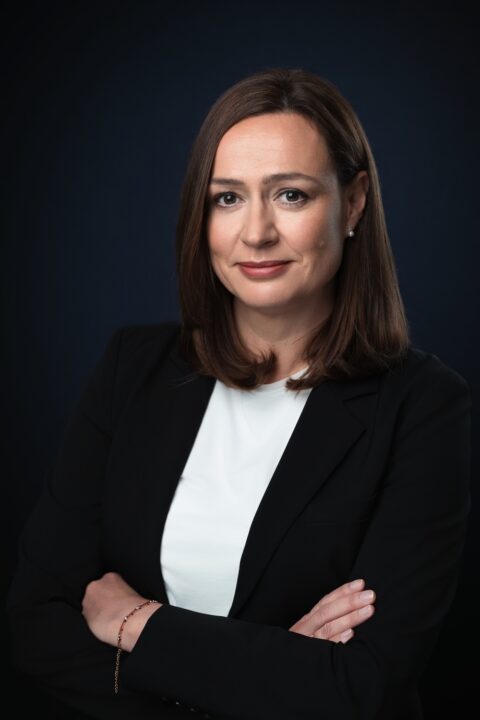
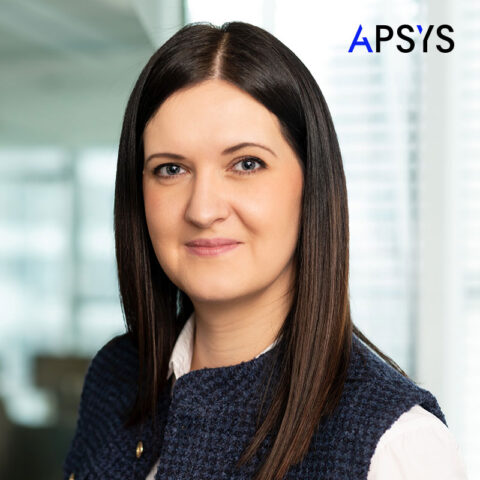
For years, the retail real estate market has been declared saturated, even in decline. Yet it keeps evolving and surprising. We talk about its future with Benoit Charles, CEO of Apsys Polska.
Apsys entered the Polish market in 1996. Korona and Centrum Janki came first, followed by Manufaktura. Where did the conviction come from that in a country where first-generation shopping centres were only just taking their first steps, it was worth building projects on such a large scale?
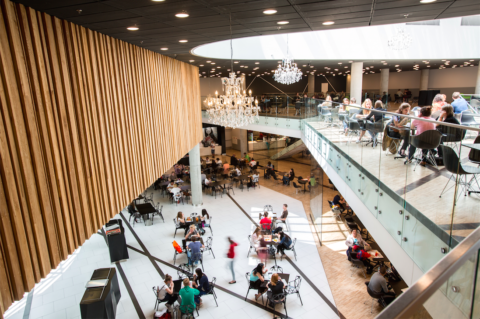
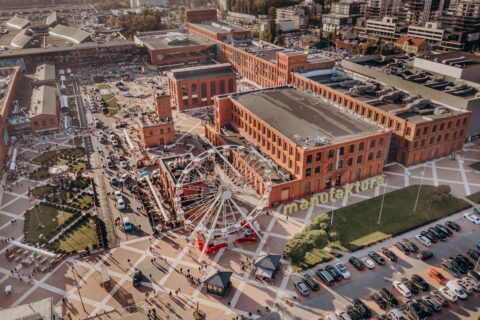
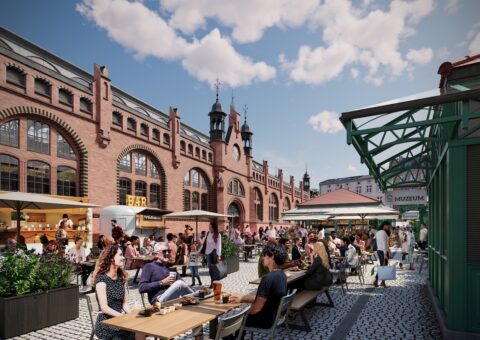
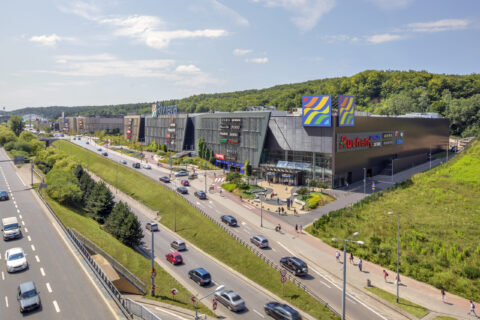
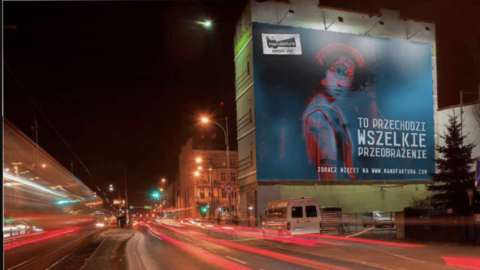
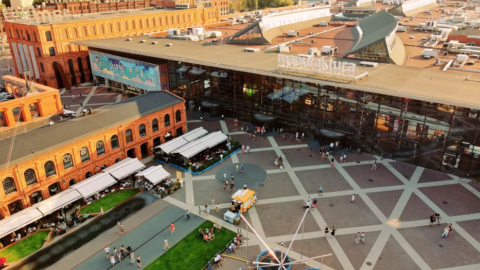
BENOIT CHARLES: This wasn’t a decision based solely on what the market looked like at the time, but on what it could look like in the future. Maurice Bansay, the company’s founder, saw enormous potential in Poland. His experience from the French market mattered, but what mattered most was a visionary approach and the conviction that it isn’t just about building, but about creating places that respond to people’s needs. The first projects, opened in 1999 — Korona in Wrocław and Centrum Janki near Warsaw — were, for their time, highly innovative, with a food court and entertainment offering. Let’s remember that the dominant retail format on our market back then was the hypermarket with a small service arcade. The real challenge, however, was Manufaktura. Apsys bet on the history of the place and its potential, even though the whole industry looked on with disbelief. This year marks 20 years since its opening, and we still manage this project with satisfaction. Manufaktura records 21 million visits a year and shows that ventures combining retail with culture, urban space and the identity of a place are not only a lasting business model, but also a response to the needs of modern cities and their residents.
In 2008, the financial crisis reached Poland. For the real estate industry, it was a shock. What do those events tell us about how to build a company resilient to crises?
That crisis was particularly demanding. Within a year, investment volume fell from €4.5 billion to €790 million. Banks froze financing, foreign capital flowed out. From our perspective, the key thing was that from the very beginning we built projects for the long term, as places we manage and are responsible for. That naturally forces greater discipline, caution in assumptions, and a focus on quality. The second thing is diversifying functions and revenue sources. Projects that combine retail, food and beverage, entertainment and urban functions are more resilient and are not dependent on a single consumer scenario.
Today, Apsys is not just shopping centres. It’s residential schemes, food halls, and above all the revitalisation of historic buildings. What drove the company toward such diversification?
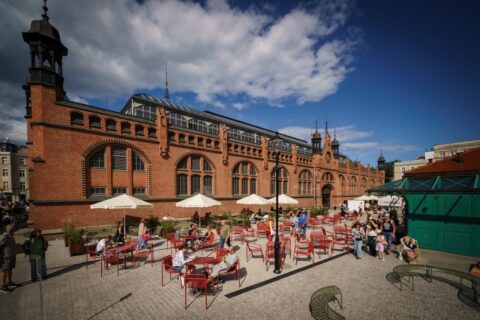
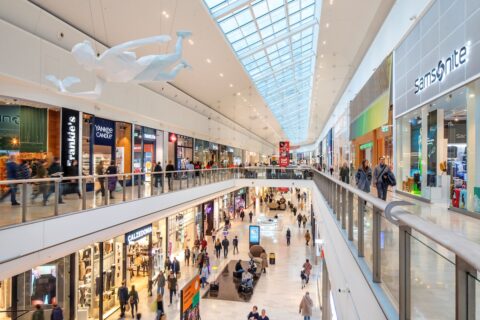
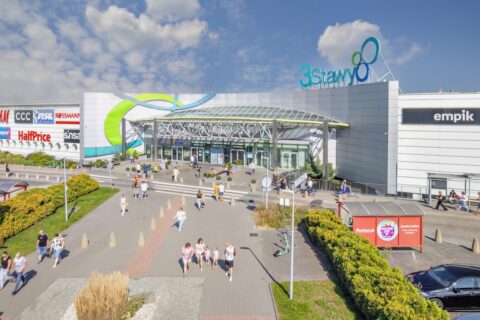
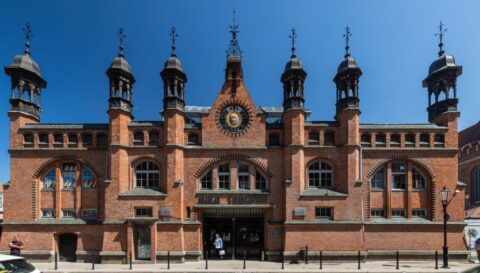
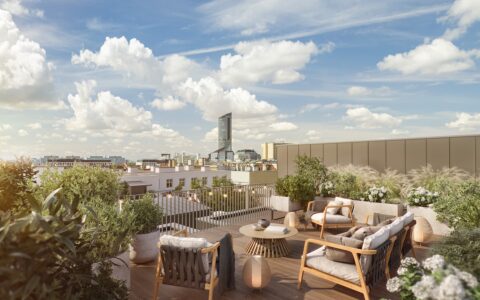
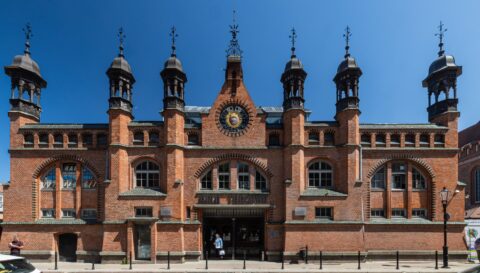
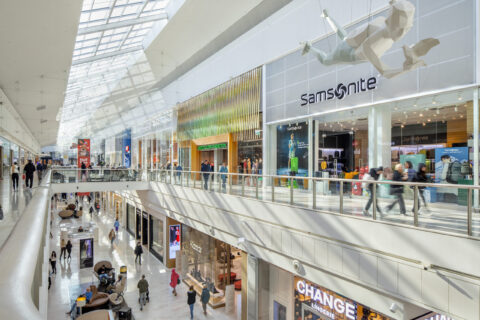
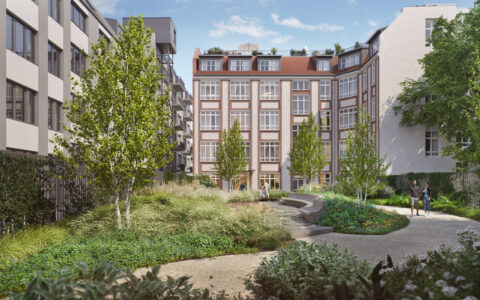
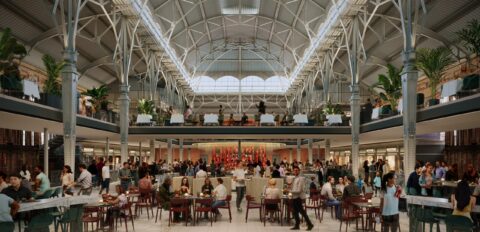
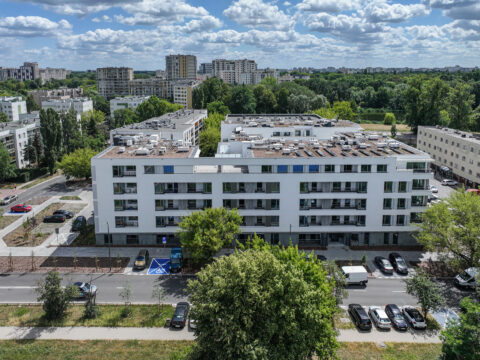
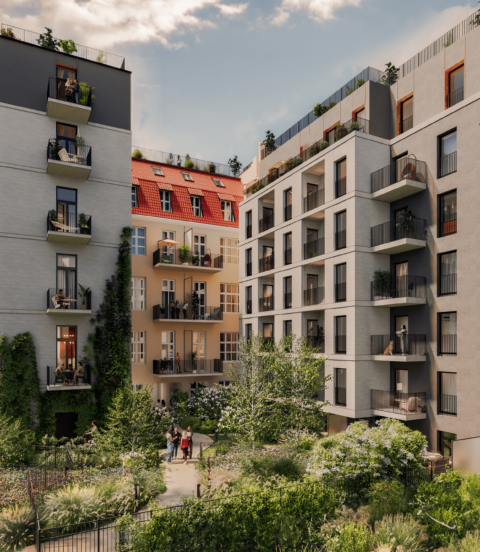
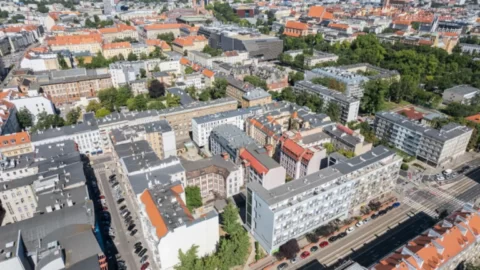
Shopping centres were and remain an important part of what we do. Today we manage nearly 700,000 sqm of GLA, visited by around 104 million people a year. From the outset, we defined ourselves as a company that creates places responding to the needs of cities and people. And these needs are changing very dynamically: cities are becoming denser, lifestyles are evolving, and the boundaries between different functions are increasingly blurring. Revitalisation projects, mixed-use schemes and boutique residential developments are different sectors of our business, but the common denominator remains the same: creating places that matter to the local community and stand the test of time. Entering each new segment is preceded by the same question: where is there potential that others don’t see? And indeed, Apsys has become a specialist in revitalisation — not only of historic buildings, such as Hala Targowa in Gdańsk or Manufaktura, but also of forgotten spaces, as exemplified by the residential developments Solea in Warsaw or Nowa Stawowa and Ogrody Staromiejskie in Wrocław.
Apsys is a company that combines the competencies of developer, investor and operator, and uses them to create complex projects that are part of the fabric of the city.
The Polish retail real estate market is one of the most mature in Central Europe. Does that mean the most interesting times are already behind us?
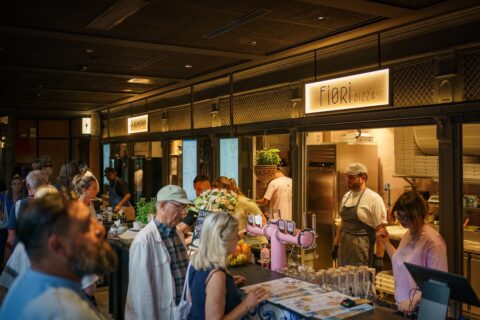
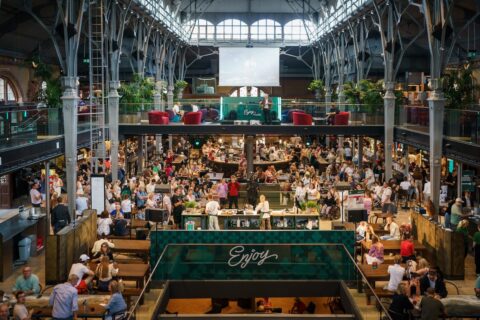
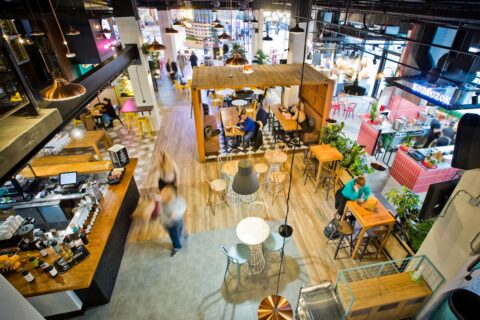
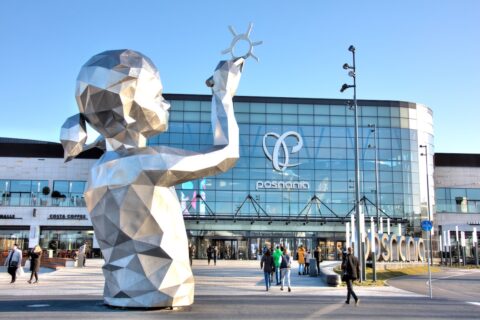
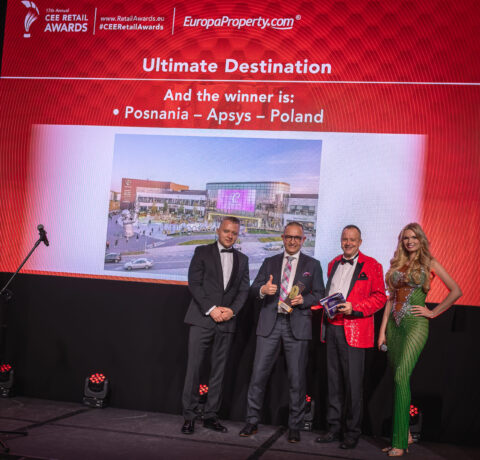
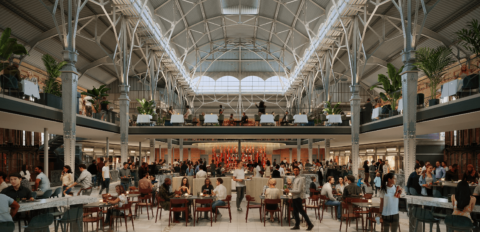
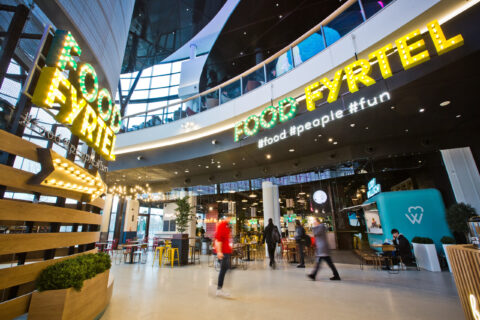
Market maturity doesn’t mean the end of opportunity. Poland’s retail sector is one of the fastest-built markets in Europe. The 14.2 million sqm of space we have today was built over the course of 30 years. Poland still gains more than 500,000 sqm of retail space every year, which shows that the market isn’t shrinking — it’s evolving. Recently, the fastest-growing sales categories have been services, up 10.6%, food and beverage, up 6.6%, and entertainment, up 5.3%. That’s why for years we’ve been investing in places where shopping is just one element among others. That means working on existing assets — modernisation, repositioning, changing the offer. One example of this thinking is Food Fyrtel in Posnania, the city’s first year-round food hall, located inside a shopping centre. The next chapter is being written by mixed-use projects. In large cities, where there’s no longer room for new shopping centres, retail is increasingly combined with housing, offices or services. So no, the most interesting times are not behind us. I think the best is yet to come.
This year Apsys celebrates its 30th anniversary. Looking ahead to the next three decades, what kind of company do you want to be, and what kind of places do you want to create?
Thirty years ago, Maurice Bansay came to Poland convinced that it was possible to create places here that would change cities for the better. Today we have many completed projects behind us, and although they may seem very different, what unites them is that they were built with people in mind. Whatever formats we pursue in the future, the goal stays the same: to make people’s lives better. Behind that stands the whole Apsys team — 240 people in Poland alone — working to ensure that the places we create and manage carry meaning that is not only functional but also emotional, woven into the context of the city and its identity. And it’s precisely this experience, courage and the people involved that make us want to be, tomorrow, in a year, and for the next 30 years, a company that keeps surprising the market and taking on the impossible.