

New life for the historic Hall
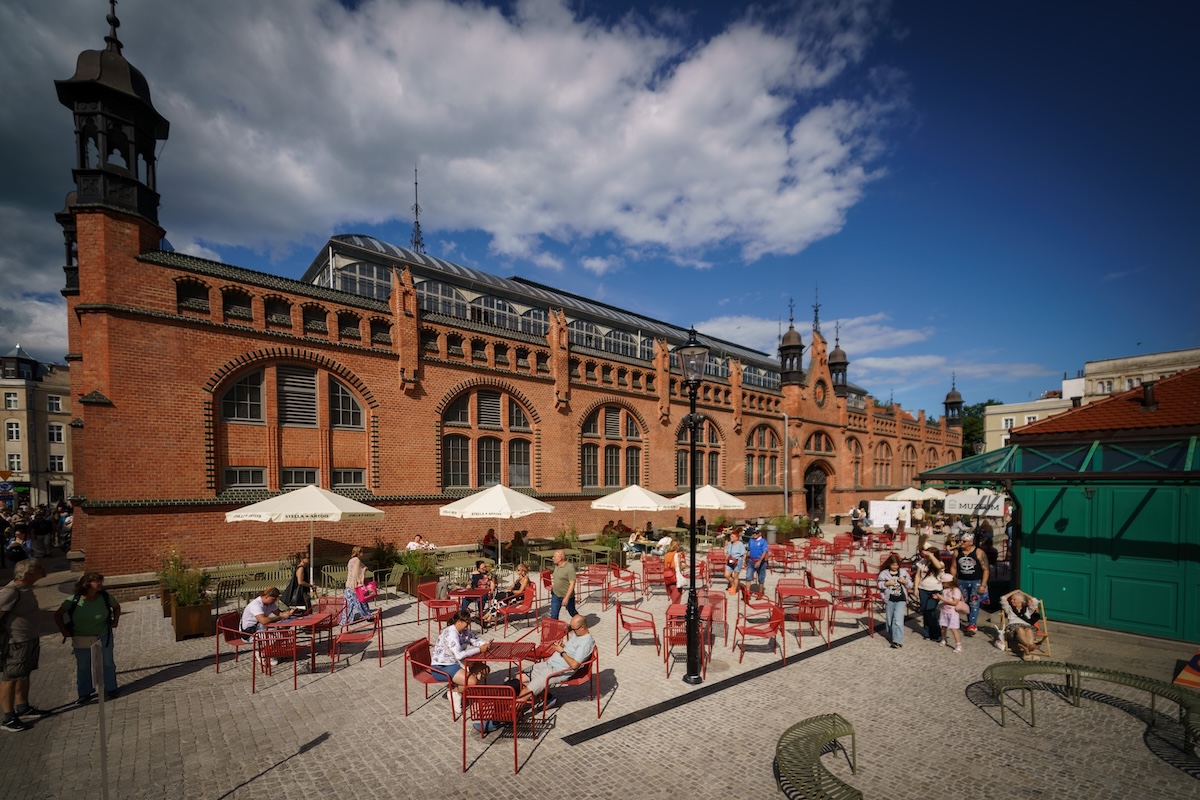
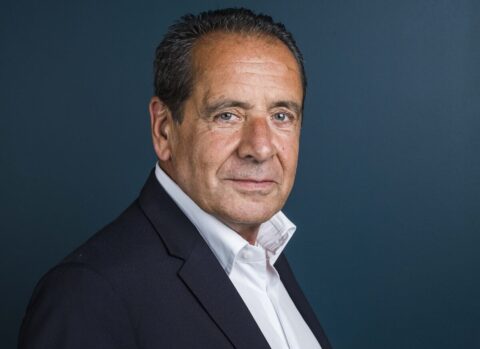
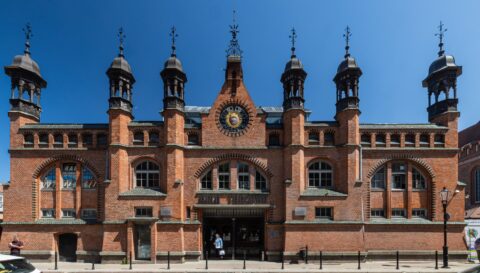
After eighteen months of work, the historic Hala Targowa in Gdańsk reopened on 12 August. Why Apsys chose to focus on food, how to reconcile the industry’s modern requirements with heritage protection and what surprised the team most during the works – explains Katarzyna Kopszak-Dziurnikowska, Head of Development at Apsys Polska.

Where did the idea come from at Apsys to buy Hala Targowa in Gdańsk and create a new food destination there?
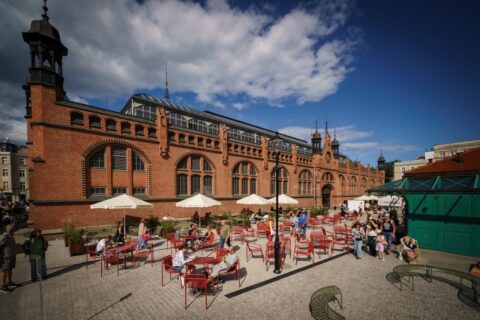
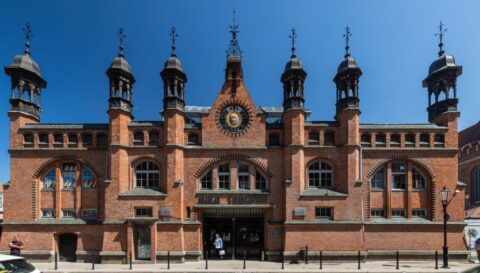
We had known Hala Targowa for some time and knew that it was a place with huge, dormant potential. It is an exceptional building with more than a century of history of trade and meeting people, located in the very heart of Gdańsk’s Main Town. For three decades, Apsys has chosen precisely such exceptional places for its investments – places with history, a strong identity and significance for their cities – and we give them new life. That is our hallmark.
From the outset, we knew that we wanted to base the future of Hala Targowa on food – the function that best fits both the history of the place and the contemporary needs of the city. This direction became the foundation of the entire regeneration concept. Of course, history alone is not enough to make an investment decision of this kind. Before deciding to buy, we analysed the potential of the location very thoroughly. Research confirmed that the Hall is exceptional in terms of the diversity of its user groups. The building is located at the very centre of Gdańsk’s tourist traffic, and at the same time in the immediate vicinity of workplaces, homes and public institutions. Forecasts indicate that the proportions of tourist visitors and Tricity residents are very similar. It was this diversity of users that convinced us that the Hall has the potential to operate all year round, not just during the tourist season.
Why did you decide on food specifically? Was it a natural choice given the history of the place and its location?
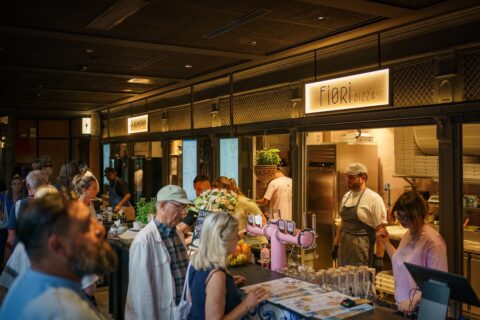
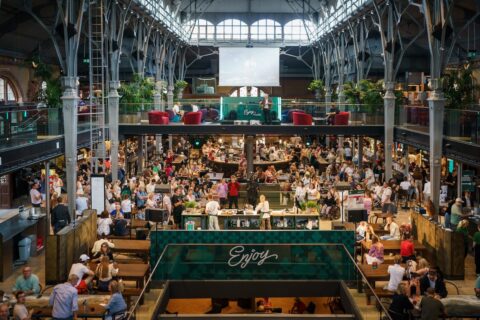
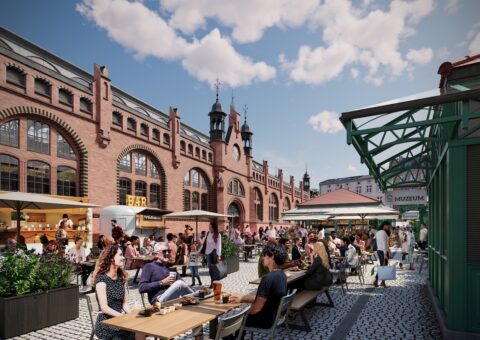
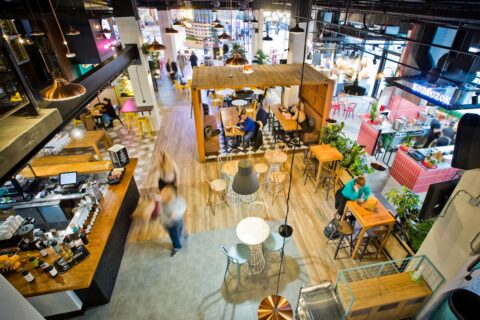
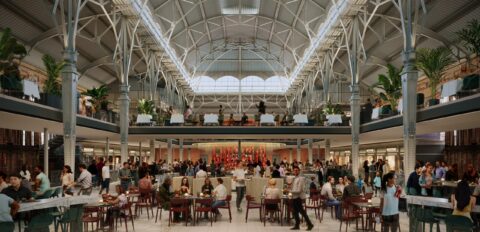
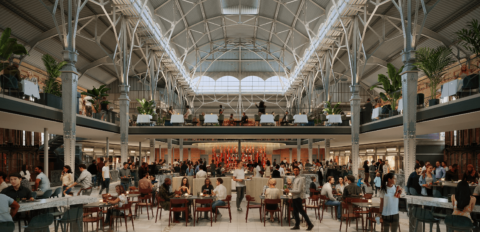
Absolutely. We decided to go back to the roots. We wanted to give the Hall back to the city and its residents, restoring the function that Gdańsk residents have known for generations. Ever since it was built in 1896, it has been a place where trade, food and everyday encounters naturally intertwined. Our “All around food” idea is a continuation of this identity, but in a new form that reflects contemporary times and consumer expectations. At the same time, it was a very deliberate business choice. Poles are increasingly going out to spend time with family and friends over a shared meal. In 2025, as many as 80% of us went to a restaurant at least once – four times more than 30 years ago. That is why we created a place where food is the starting point, but not the only reason to visit. Across the Hall’s three levels, we have created an offer comprising as many as 34 food and retail concepts – from everyday grocery shopping, through street food, to restaurants and bars. The rich culinary offer is complemented by numerous cultural and entertainment events. We wanted the Hall to be a lively place and for our guests to treat it as a place to spend time together, build relationships and enjoy new experiences – hence the many elements not previously seen in places of this kind. We want it to become part of the rhythm of the city and to give both residents and visitors to Gdańsk reasons to come back regularly.
The Hall is meant to serve both Gdańsk residents and tourists visiting the Main Town – did this influence the concept of the place?
Creating places that make people’s lives better has always been Apsys’s goal, whether we are talking about shopping centres, residential projects or destinations such as Hala Targowa.
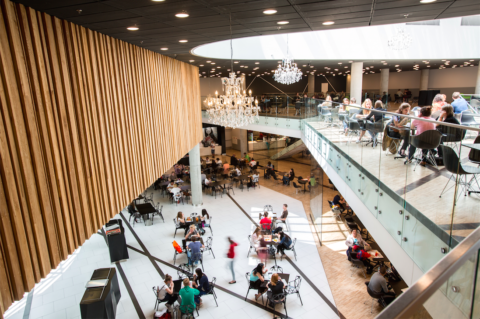
In the case of the Hall, we knew from the start that its success would depend on skilfully combining the needs of different user groups. We designed the Hall not for a single audience, but for different ways of using the place. For residents, the Hall is a place for everyday shopping, lunch, meeting friends or family occasions. For people working in the city centre, it is a natural meeting place during the day. And for tourists, it is an authentic place that allows them to get to know Gdańsk not only through its monuments, but also through the city’s local flavours, culture and atmosphere.
This approach is reflected not only in the food and retail offer, but also in the way we design the guest experience. From the beginning, we wanted the Hall to be a lively and interesting place. That is why we have prepared a rich programme of cultural and entertainment events. It is complemented by solutions that build the customer experience, such as Ha!apka, an innovative food ordering app, a gift vending machine, an interactive educational panel telling the rich history of the place and multimedia projection mapping shows.
We want the Hall to be alive all day and all year round, giving different audiences their own reasons to come back regularly.
What were the biggest challenges in adapting a historic, heritage-protected building to a contemporary food-service function?
From the very beginning, the project was developed in close cooperation with the city and the conservator of monuments. Our goal was to adapt the Hall to contemporary operating standards while preserving its historic character. The biggest challenge was finding a balance between protecting the building’s historic fabric and the requirements of a contemporary food destination. On the one hand, we had a 130-year-old building of enormous historic value; on the other, a place that must meet very stringent technical, sanitary and fire safety requirements. Every solution required an individual approach, extensive analysis and close cooperation with many partners, including the conservator. In a project like this, there are no ready-made templates. Adapting the building meant a complete modernisation of its technical infrastructure. We had to design and route new installations in a way that would ensure full functionality for all tenants while showing the utmost respect for the historic fabric. The building has been equipped with a modern heating and cooling system based on 86 heat pumps located beneath Plac Dominikański, ventilation with heat recovery and an advanced BMS. The shared areas also include infrastructure supporting tenants’ operations, including a professional dishwashing room, a freezer room, a room for the initial preparation of meals – the so-called “prep room” – and staff facilities.
Paradoxically, what gives us the greatest satisfaction today is that visitors hardly notice this enormous technical work. What they see above all is the beauty of the historic Hall and its architecture. And that was exactly the point – for all the modern infrastructure to stay in the background, enabling the historic building to operate to the highest contemporary standards.
Was there a moment in this process that particularly surprised you – for example, related to what you discovered beneath the layers of earlier renovations?
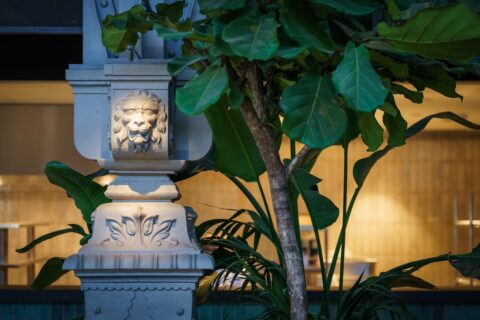
Definitely. There were many such moments. The deeper we went into each stage of the work, the more often we discovered elements of the Hall’s original decor that had remained hidden for decades. Ornaments, architectural details and historic decorations gradually regained their former appearance.
But perhaps the most moving thing for me was the response and commitment of our partners – the tenants. They believed in this project from the start and today, together with us, they are writing a new chapter in the history of Hala Targowa. Time and again I heard them speak with great conviction about their belief in this project, about how much they wanted to be part of this place and how much they appreciated the scale of the work put into bringing the Hall back to life. This gave us enormous motivation and strengthened our conviction that we are creating something that has the chance to become an important place on the map of Gdańsk and beyond.